Thursday, 30 October 2014

Is Aluminum Making You Sick?

aluminum

We have all heard about mercury and lead poisoning and how these heavy metals can make us sick, but aluminum is often overlooked. Because aluminum is everywhere in our environment and in so many products, there is a lack of awareness of the toxicity of this metal.
In its natural state it doesn’t pose a threat. It’s plentiful and versatile. It is resistant to corrosion and very light weight. For these reasons, aluminum is used widely, in places you may not even thing to look for it. We wear it, cook in it, with it, eat and drink it and there is no use for aluminum in the human body. But when it gets into products that we use on our bodies, it is dangerous and toxic.

Effects on the Body

Once entering the body, aluminuim accumulates in various tissues in the body, including the kidneys, brain, lungs, liver and thyroid. Aluminuim interferes with calcium absorption and can lead to weakening of your bones. It also competes with mineral absorption such as phosphorous, zinc and selenium.

Aluminum can make you sick

Signs of aluminum toxicity include confusion, speech problems, muscle weakness, seizures and delayed growth in children. Extensive research at Keele University in England, published in the journal Molecular and Supramolecular Bioinorganic Chemistry, found these diseases were linked to aluminum:
  • Alzheimer’s Disease
  • Anemin
  • Arthritis
  • Asthma
  • Autism
  • Cancer
  • Chron’s Disease
  • Diabetes
  • Hyperactivity
  • Osteoporosis
  • Vascular disease and stroke

Where aluminum is hiding

Aluminum is added to many foods, drugs and other products. The following are major sources:
  • Drugs and vaccines: (including some antacids)  Make sure that you read the ingredient list and ask your doctor for an aluminum-free product.
  • Food products:  Baking powder (not baking soda), artificial coloring, anti-caking and drying agents often contain aluminum
  • Canned beverages:  Those aluminum coke and pepsi and beer cans leach aluminum into your drinks.  Look for glass bottles instead.
  • Deodarants:  Look for aluminum-free deodarants.  Read the label.Sunscreens and facial products:  Check the ingredients and look for aluminum-free alternatives
  • Kitchen cooking:  Aluminum leaches into your food when cooking in aluminum pots.  Use stainless steel, cast iron or ceramic cookware.

Living Aluminum-Free

Nowadays you can find parchment paper in natural food stores, which can be used instead of aluminum foil.  There are many alternative body care products that are aluminum-free.  Be sure to read the labels.  Start reading food labels, and start eating more organic and unprocessed foods.  If your doctor prescribes a medication ask him for the aluminum-free alternative.
Since is is difficult to be 100% aluminum free,  you can try Zeotrex, which can help you remove these poisons from your tissue. The goal is to flush them before they have time to do serious damage to your body. Zeotrex is a scientifically formulated supplement from Global Healing Center, that uses the power nano-colloidal zeolites and organic ingredients to safely aid the body in eliminating toxic chemicals and heavy metals. A clean, toxin-free body is the foundation for maintaining optimal health.
http://naturalmentor.com/is-aluminum-making-you-ill/

Monday, 27 October 2014

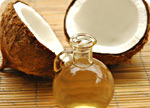
Not all Coconut Oil is “created equal”


26-Coconut-Oil-1
Many people in the natural health community have been well aware of the health benefits of coconut oil and other coconut products for decades. More recently, “clean eaters” and people following an ancestral diet have been replacing canola oil and other cooking oils with coconut oil. Unfortunately, some people do not realise that certain brands of coconut oil pose serious health risks. Innocent health seekers may be consuming a product that makes them sick.

Not all coconut oil is “created equal”

Any coconut oil producer can market a product labeled “coconut oil.” The product on the shelf will, indeed, be coconut oil. However, shoppers may see a big difference in price between brands of coconut oil. Most likely, the less expensive coconut oil has been refined.

Coconut oil is produced in several ways. To extract the oil from a coconut, the manufacturer may dry the coconut meat, called copra, by either smoking it, drying it in the sun, or kiln-drying it. Copra is dried in unsanitary conditions, and cannot be consumed.

The impurities in the copra are released into the coconut oil. Copra-derived coconut oil must be purified, or refined. Once the coconut oil has been refined, it is bleached to remove any remaining impurities and to “improve” the colour of the product. Then it is “deodorised” under high heat to remove the coconut fragrance. Sodium hydroxide (NaOH), better known as lye, is used to break down the fatty acids so the coconut oil will have a longer shelf life. Some coconut oil producers extract the coconut oil from the copra with toxic chemicals.

Some refined coconut oil manufacturers take the refining process one step further by either hydrogenating or partially hydrogenating the coconut oil in order to keep the product from melting in temperatures above 76 degrees Fahrenheit. This process turns coconut oil, naturally a very healthy saturated fat, into a trans fat.

Select “virgin” coconut oil to get the most health benefits

“Virgin” and “extra virgin” coconut oils are expressed either by quick drying the copra and then pressing the oil out with a machine, or by “wet-milling” the coconut milk. With wet-milling, the oil rises to the top of the coconut milk and is separated through various means.

There is no difference between “virgin” and “extra virgin” coconut oils. In general, the difference in price reflects the intensity of the labor involved in creating a truly natural coconut oil product.

Coconut oil has many health benefits over other cooking oils

The Journal of Cosmetic Science published a study in 2003 comparing plant oils for hair damage, and stated that coconut oil was the best treatment to keep hair from breaking during combing.

In 2004, wet-milled virgin coconut oil was found to do a better job of lowering “bad” cholesterol levels than refined coconut oil. The study, reported in Clinical Biochemistry, stated that the polyphenols in virgin coconut oil not only reduced fat cells in the bloodstream, but showed anti-oxidant activity as well.

Virgin coconut oil has been clinically proven to be 100 percent effective against Candida albicans and other strains of fungus, according to a 2007 clinical study published in the Journal of Medicinal Food.

A 2009 study published in Lipids compared soybean oil to coconut oil as part of a weight loss program for obese women ages 20-40. Combined with a low calorie diet and walking 50 minutes a day for 12 weeks, women in the coconut oil group lost more weight than those in the soybean oil group.

Thursday, 23 October 2014

7 Reasons Why You Need More Oregano In Your Life

Oregano is one of the most underestimated herbs. It’s certainly a great flavour-enhancer for pizza sauce, but it’s also much, much more.

It’s a veritable panacea that’s been right under our noses all along.

Here’s a sampling of its benefits and virtues. Hopefully, it will convince you that oregano should occupy a prominent placement in your kitchen and medicine cabinet alike.
1. It’s packed with vitamins. Ingesting it on a regular basis (in its raw form or as a spice) helps support every aspect of your body’s functioning.
Look at all the vitamins with which an unassuming oregano leaf is filled…
  • Vitamin A for vision support.
  • Vitamin C for immune system support.
  • Vitamin E for maintaining the integrity of your body’s cells.
  • Vitamin K to keep your blood from clotting.
  • Vitamin B6 for supercharging brain function.
  • Potassium for regulating heart rate and blood pressure.
  • Magnesium and calcium for keeping bones healthy and aiding metabolic processes.
  • Iron for preventing anemia.
  • Folate for the healthy formation of RNA and DNA.
2. It’s the heavyweight champion of antioxidants. Oregano has an oxygen radical absorbance capacity (ORAC) of 175,295—which makes it one of the most powerful free radical fighters out there.
To give you a means of comparison, blueberries—often referred to as an antioxidant powerhouse—have an ORAC of 9,621.
By preventing the proliferation of free radicals, high-ORAC antioxidants optimize the body’s functioning, inhibit the spread the disease, and slow the aging process.
3. It’s anti-inflammatory. A substance in oregano known as beta-caryophyllin (E-BCP) significantly inhibits inflammation in the body (evidence suggests that it also positively supports osteoporosis, arteriosclerosis, and metabolic syndrome).
Decreased inflammation brings relief from pain and cramps, optimizes energy levels, and decreases the risk of degenerative disease.
4. It offers excellent immune support. Oregano contains rosmarinic acid, which studies have shown to be potently immune-stimulating.
This healing spice boosts the body’s defenses against a myriad of ailments, including colds and flus, cold sores and other viral infections, and food-borne illnesses.
It’s even been shown to stop cancer in its tracks.
5. It’s powerfully antifungal and antibacterial. Oregano contains two phytochemicals known as carvacol and thymol, both of which are impressive natural antibiotics. They have been clinically shown to kill a variety of bad bugs, ranging from food-borne pathogens to MRSA, the antibiotic-resistant super-bacterium.
It packs a particularly strong punch against respiratory infections. One study even demonstrated that a spray containing oregano oil immediately alleviated respiratory symptoms with remarkable consistency.  
Oregano Oil is a powerful concentration of the benefits of Oregano. Just remember that oregano oil is only intended for short-term use (7-10 days for instances where acute treatment is required).
UTI’s (urinary tract infections) and yeast infections may be successfully treated with oregano,because it inhibits the growth of E. Coli, Proteus, and Pseudomonas aeruginosa.
Similarly, soaking your feet in an oregano-oil-infused water (try 2-3 teaspoons of oil) works wonders for athlete’s foot or nail fungus.
Even the symptoms of candida and parasitic infections can be ameliorated with oregano oil (just make sure that you dilute the oil before taking it internally, as pure oregano oil can lead to an upset stomach).
6. It’s a detoxification catalyst. In today’s toxic world, it’s critically important to take measures that actively clear toxins from the body.
Oregano not only delivers a whopping dose of nutrients and neutralizes free radicals, but also encourages the excretion of collected toxins through sweat.
And last, but certainly not least…
7. It’s a deliciously versatile cooking spice. Aside from its usual applications in Italian-style cooking, oregano is also a healthful and flavorful addition to all sorts of dishes—including salads, salad dressings, veggies, potatoes, and eggs.
It makes a great seasoning, as well. And here’s an added bonus: researchers found that meat seasoned with oregano before being cooked contained 71% less malondialdehyde (a marker for oxidation, which signals the formation of free radicals).
All in all, oregano is a perfect example of the profound healing potential that lies in many common household ingredients. Being aware of the natural world’s curative offerings allows us to take health and healing into our own hands!
Do you have other uses for oregano? Any stories about how it’s helped you? Please share in the comments section below.
http://naturalmentor.com/7-reasons-why-you-need-more-oregano-in-your-life/

Monday, 20 October 2014

The 3 Main Causes of Aging (and how to avoid)

Glycation, Inflammation and Oxidative stress, generated through the process of living life (eating, sleeping, breathing, exercising), are inevitable for everyone.  Find out how to minimize the effects.


thumb_SOD_1200x627-stress-ad__1_
There are 3 common mistakes that rapidly AGE your body faster.  In this article we’re going to talk about the 3 Biggest Causes of Aging and how to slow down and minimized the process.
#1 – Glycation
Glycation is the process in which the sugar you eat gets STUCK to the proteins in your body.  This is really, really bad news for the aging of your organs, but also for a part of your skin called collagen.
Sugar stiffens and cracks the collagen.  Too much glycation and your skin will look like an old garden hose – cracked, brittle and wrinkled.
That means fine lines, wrinkles, age spots and yellowing appear on your face.
There are 2 main ways to minimize glycation:
1.  Increase the antioxidant level in your body.  Antioxidants protect your body from the nasty effects of glycation.
2.  Keep your blood sugar low and controlled every day without major spikes... this means minimizing excess sugars and grains, which are the worst blood sugar offenders.  A side effect of controlling your blood sugar low and steady is that you minimize fat storing hormones like insulin, which helps you to get leaner!
#2 – Inflammation
Inflammation is a bad word no matter how you look at it!
Inflammation occurs when your body releases harmful chemicals in response to environmental toxins. Those ‘harmful chemicals’ in your bloodstream attack your body and cause aging.
Worse, these chemicals can silently damage your skin, organs, and your brain, for years before you notice the effects.  But by then…it’s usually too late.
There are a few ways to deal with inflammation.
First – try adding ginger and turmeric to your diet.  The ginger herb is an anti-inflammatory powerhouse and the green tea contains EGCG which is another potent anti-inflammatory.  You can also take ginger capsules and/or turmeric capsules each day if you don’t use ginger and turmeric in your cooking regularly…they are both very inexpensive in capsule form and add a potent whollop of natural anti-inflammatories to your body.
Second – light exercise protects your body from inflammation .  You don’t need to do too much but it should NOT be long, slow cardio. That’s been proven to increase inflammation and even cause heart damage over time (that’s why some marathon runners drop dead of a heart attack).
#3 – Oxidation
Oxidation is the WORST of the bunch.
This is referred to as the ‘rusting’ of your body, and it’s what happens to your car when salt and water attack it, and when an apple that turns brown after you expose it to air.  Same thimg in your body. If you let oxidation take place, you can wrinkle up like an old apple left out in the sun.
The easiest way to avoid oxidation is by eating hefty amounts of fresh, organic fruits and veggies daily.  The vitamins, minerals and antioxidants in those protect your body from the harmful effects of oxidation, inflammation, and glycation.
http://naturalmentor.com/the-3-main-causes-of-aging-and-how-to-avoid/

Thursday, 16 October 2014

Why You Must Rid Your Body of Toxins (even if you think you’re Living Healthy)

Let’s face it: toxins are everywhere.

Even if you’re a taking steps to live healthy, you’re still being exposed to the toxins found everywhere in the modern world.
Some toxins are right where we’d expect them to be—in the air, in your water, in your food, in substances and materials that have already set off alarm bells for health advocates.
But some toxin sources are pretty hard to catch.
A friend of mine was recently reminded of this fact. She maintains a healthy diet, educates herself about natural health and green living, and does everything she can to avoid toxins. She even reads food labels and makes her own green cleaning products.
She’s the perfect example of a “health-conscious” person.
So you can imagine her surprise when she brought home a new couch and noticed the following label on the bottom of it…
 Now couches cause cancer too?
Sadly, the answer is yes.
The Environmental Science & Technology Journal found that 85% of couches are pumped full of toxic flame retardants.
These chemicals (phosphate esters, or chlorinated phosphorous compounds) have been linked to everything from infertility and cancer to autism and obesity.
And chances are that your house is full of them—unless you’ve already done some pretty painstaking furniture shopping.
But maybe there’s nothing to worry about…
It’s not like we go around eating our couches, right? Maybe all those nasty chemicals never even make it into our bodies?
Unfortunately, this wishful thinking couldn’t be further from the truth.
These noxious substances have been detected in high levels in children and adults alike. Certain areas of the U.S. (California in particular) have more stringent requirements for flame retardants (which, by the way, don’t even prevent fires very well at all).
The more strict the regulations, the higher the flame retardant content. And consequently, California children carry some of the highest levels of these chemicals in their bodies.
We absorb these toxins into our bodies whenever we use our furniture, and even through breathing in the dust in our house.
And “toxic furniture” is just one example of an unexpected toxin source. Electronics, cosmetics, cleaning products, tap water, and many other household comforts can all be culprits.
So here’s the moral of the story: protecting yourself from environmental toxins is easier said than done. Just trying to avoid them is not sufficient.
After all, you can’t just live inside a non-toxic bubble.
Even if you replace all of your furniture with non-toxic, flame-retardant-free alternatives, you’ll probably still have friends who haven’t yet followed suit. What are you going to do while visiting them…refuse to sit on their couches?
Help your body rid itself of toxins
While creating a non-toxic home environment is a great start, you also must adopt practices that help your body clear toxins—because they’re bound to get in there, no matter what kind of healthy lifestyle you’re living.
You must strive to live a detoxifying lifestyleso that you can always stay one step ahead of energy-sapping, health-destroying toxins.

Steps You Can Take for Detox

Exercise. In case you needed one more reason to exercise on a regular basis, here it is. Engaging in physically strenuous activity that gets your blood pumping will encourage your body to sweat out toxins. Relaxing in a sauna (as a reward after your exercise, of course) will also do the trick.
Sweating is one of the body’s most effective built-in detox mechanisms…use it!
If you wear antiperspirant deodorants, make sure to give your body a break from them, especially during exercise (or ideally, stop using them altogether). This kind of deodorant closes your pores and discourages your body from sweating—which means that all those nasty toxins stay trapped inside your body.
Drink plenty of (purified) water. Nothing keeps the body’s natural detox system flowing like clean, abundant water. While studies have led to varying recommendations about how much water we should drink on a daily basis, there’s some easy rules of thumb you can follow: try to drink water consistently throughout the day, and if your urine isn’t fairly clear, increase your water intake.
It’s also incredibly important that you invest in a good water filtration system, and that you take in enough minerals and electrolytes. Adding a pinch of pink Himalayan salt to your water will enrich your body with 84 beneficial trace minerals, and it’s incredibly healing for the adrenals, which aid in detoxification.
Eat detoxifying foods. Maybe you’ve already integrated lots of healthy, wholesome foods into your diet. But are you routinely eating foods that actively cleanse the body of toxins?
Make sure to consume foods that are excellent sources of antioxidants, like raw cacao, acai, blueberries, vanilla, and oregano. You’ll find that all of these functional foods have lots of other benefits (and they’re delicious too).
Foods that contain high levels of chlorophyll are also excellent detoxifiers, because they bind to toxins and ensure that they are excreted from the body. Spirulina and chlorella are your best options.
Be empowered, not paranoid
Always remember: this is about awareness, not fear.
You shouldn’t spend all your time worrying about the encroaching toxicity of your surroundings, nor should you stick your head in the sand and pretend that everything is fine.
Instead, try to strike a balance between proactivity and acceptance. Be proud of yourself for taking a stand and educating yourself…and never allow yourself or your loved ones to live in fear.
By integrating this knowledge and awareness into your everyday life, you’ll take your health and vitality to the next level.
You’ll be less burdened by toxins and illness, lighter and more energized, and empowered by your ability to take charge of your own health.
http://naturalmentor.com/why-you-must-rid-your-body-of-toxins-even-if-youre-living-healthy/

Monday, 13 October 2014

Your Brain on Grain (How Gluten Impairs Brain Functioning)


Despite a mountain of evidence demonstrating the negative health effects of gluten, the debate continues.
For some time, “pro-gluten” health researchers would only agree that gluten impairs gut functioning in a small percentage of people. But a number of recent studies show an undeniable connection between gut health and brain health (1).
Given this “gut-brain connection,” even the most cautious researchers are singing a different tune: gluten impairs cognitive functioning.
Connections are even being drawn between the consumption of gluten and the onset of Alzheimer’s disease. At the very least, it’s clear that minimizing or eliminating your intake of gluten reduces the risk of cognitive decline.
But how and why is gluten so destructive to the brain?
Gluten inhibits immune functioning, accelerates the propagation of diseases, interrupts metabolism, and hijacks your bio-chemical relationship with food—all of which leads to major brain strain.
Let’s trace the process by which gluten wreaks all this havoc.
It all starts in the gut…
New research demonstrates that the consumption of gluten can cause an immune response in anyonenot just in those with Celiac’s disease and gluten intolerance (2).
Here’s how it works: your intestinal tract has a thin lining called the epithelium, which prevents undigested material from slipping into the bloodstream. Frequent consumption of gluten triggers a process known as zonulin signaling, which causes the cells in the epithemlium to separate.
When this separation occurs, bacteria and toxins end up in the bloodstream, and thus trigger an immune response.
An immune response is essentially inflammation—a natural, healthy bodily function when triggered infrequently. When the immune system is constantly on alert, though, its ability to protect the body is suppressed, and a state of systemic inflammation sets in.
For this reason, inflammation has been called the root of all degenerative disease (wherein the body gradually loses its ability to ward off increasingly adverse dysfunction).
…and the brain suffers too
When this “leaky gut” condition begins to cause escalating inflammation throughout the body, the brain is affected, as well.
Systemic inflammation leads to decreased bloodflow in the brain, which leads to the “brain fog” and diminished cognitive performance that’s often associated with gluten.
You could say that, in this way, gluten indirectly affects the brain’s health. Unfortunately, though, gluten also directly affects the brain in pretty scary ways.
A recent study showed that a constituent of gluten—called wheat germ agglutinin—is actuallyan acute neurotoxin (3). This toxin is able to cross the blood-brain barrier completely intact and bind to neurons for extended periods of time.
Wheat germ agglutinin is also pro-inflammatory, and thus contributes even further to the systemic inflammation that we discussed above.
What’s worse, gluten also weakens the blood-brain barrier’s ability to keep out other toxins, thus causing a downward spiral of cognitive impairment.
Lastly, the vast majority of commercially produced wheat is overrun with mycotoxins, which place huge amounts of stress on the brain (they also ravage the immune system, cause cancer, and disrupt hormone function). You can read more about wheat mycotoxins here.
How gluten is like heroin
To top things off, another study demonstrates that gluten breakdown products work on opioid receptors in the brain (4).
This explains why gluten consumption is such a hard habit to kick—it affects the brain in a way that is similar to some of the world’s most addictive substances!
Perhaps the most alarming implication of this finding is that the damaging effects of gluten can be perpetuated by psychological and physiological dependence.
It’s generally a good idea to avoid anything that hijacks our body’s ability to reject it as unhealthful, right? You’d probably agree that other harmful, addictive substances should be banished from the body. It’s about time we started including gluten in that category.
So are you ready to go gluten-free?
If you need some more convincing, there’s a wealth of information available to you, including Dr. David Perlmutter’s bestseller, Grain Brain.
Hopefully, the information presented above has at least led to some eyebrow-raising. Remember, though: there’s no substitute for personal experience.
Try cutting gluten out of your diet, and see how you feel. Experts say that doing so for at least six weeks will yield the most dramatic results, but you’ll feel the difference even by trying a shorter gluten fast.
Studies and statistics can only point us in the right direction. At the end of the day, it’s up to you to apply these principles, in order to determine which of them work best for you.
http://naturalmentor.com/how-gluten-impairs-brain-functioning/

Friday, 10 October 2014

Steer Clear of Bottled Water (It’s Worse Than Tap Water)

The importance of water cannot be overstated!


This probably comes as no surprise, given that the stuff comprises over two thirds of your body weight.
Proper hydration with pure, unadulterated water distributes nutrients throughout the body, provides the brain with the oxygen it needs for optimal functioning, protects the heart, regulates metabolism, and balances a whole host of complex biological processes (1).
Water is the basis of all living things, and yet its role in maintaining vibrant health is still (somehow) overlooked.
Luckily, more attention has been turned in recent years to the escalating contamination of the world’s water supplies. Suspicious eyes have focused upon public tap water, which is often found to contain all sorts of nasty contaminants, including chlorine, fluoride, pathogens, and even pharmaceutical drugs.
Awareness about this widespread issue has led to increasing interest in natural spring water, water filtration technologies, and above all, bottled water.
But tap water is the least of your worries
Saying that there’s an “increasing interest” in bottled water is a vast understatement. The bottled water market has tripled in the past ten years, and is now a $4 billion industry (2).
Marketing executives have swooped in and masterfully leveraged the purity paranoia that surrounds tap water.
Through misleading advertisement campaigns featuring pristine mountain streams, untouched glaciers, and beautiful women, they have convinced the public that their product is the paragon of water purity—and that no other substitutes should be accepted.
They’ve led us to believe that bottled water offers a flawless, affordable alternative to the unglamorous and contaminated tap water that’s piped into our homes.
Here’s the problem, though: in many cases, they’re just plain lying.
Don’t believe the hype
The Natural Resources Defense Council and the Government Accountability Office conducted independent studies on the purity of bottled water, as well as the regulation standards surrounding its production.
The results were less than heartening.
Both studies found that in the United States, bottled water is subject to far less stringent regulations and safety tests than tap water—and therefore that bottled water is much more likely to contain contaminants than tap water!
Out of 1,000 bottles sourced from 103 different companies and tested by the NRDC, one third was considered significantly contaminated.
Here’s just a sampling of their data: 22% contained arsenic or synthetic, cancer-causing compounds; 17% contained more bacteria than is allowed by the guidelines of most states; and 20% contained industrial chemicals like toluene or xylene (3).
They revealed that there’s no bottled water regulations prohibiting E. coli or fecal coliform bacteria, common water pathogens like Cryptosporidium and Giardia (which cause diarrhea and potentially severe intestinal issues), or phthalate and other cancer-causing chemicals.
If any of these contaminants are found in municipal tap water, violation fees and other means of enforcement are swiftly forthcoming. Bottled water companies, on the other hand, are just about handed a free pass.
In her book, Foodopoly, Wenonah Hauter sums up the matter nicely:
“While consumers believe that they are getting high-quality, uncontaminated water, bottled water is so poorly regulated in the United States that consumers have no way of knowing what contamination lurks within…In October 2008, the Environmental Working Group released a report that found mixtures of thirty-eight different pollutants, including bacteria, fertilizer, Tylenol, and industrial chemicals, in ten popular U.S. bottled water brands (4).”
She goes on to reveal some of the woeful regulatory practices in this industry:
“Perpetually underfunded and short-staffed, the FDA…has fewer than three full-time employees devoted to bottled water oversight. The rules apply only to bottled water packaged and sold across state lines, which leaves out the 60 percent to 70 percent of water bottled and sold within a single state…Fewer than forty states have bottled water regulations, and in some they are much weaker than the limited federal standards. For the 30 percent to 40 percent of bottled water that the FDA does regulate, it requires that companies test four empty bottles once every three months for bacterial contamination. They must test a sample of water for bacteria after filtration and before bottling once a week. A sample of water must be checked for chemical and radiological contaminants only once a year. The companies do not have to test the water after bottling or storage(5).” 
But doesn’t bottled water came from pristine springs?
Unfortunately, not nearly as often as is claimed.
Researchers have reported that, in worst-case scenarios, so-called “spring water” has actually been sourced from a well in an industrial facility’s parking lot—right next to a toxic waste dump (6).
How can bottled water companies let this happen? How can they fail to see how deeply misguided these practices are?
Well…they’re just enjoying profiting massively in an under-regulated industry.
Here’s a little quip from the former chairman of Perrier: “It struck me…that all you had to do is take the water out of the ground and then sell it for more than the price of wine, milk, or for that matter, oil (7).” 
Take matters into your own hands
So, as usual, it seems unwise to entrust either corporate America or regulatory agencies with your health.
But there’s plenty of measures you can personally take to ensure that you receive all the vitality-bestowing benefits of truly pure drinking water.
Stay away from bottled water, unless you have documented evidence of its purity (and even if you do, be aware that the bottled water industry is incredibly unsustainable and eco-destructive).
Have your tap water tested for contaminants, or better yet, use a water filtration system or source your own water from natural springs.
Take the time to get serious about the purity of your water sources; you’ll be glad you did. You’ll have more energy and greater mental clarity…not to mention the peace of mind that comes from withdrawing support from a corrupt and toxic industry.
http://naturalmentor.com/steer-clear-of-bottled-water-its-worse-than-tap-water/

Wednesday, 8 October 2014

How to Keep the Negative Attitudes of Others From Impacting You

It is a proven fact - the attitude of those around you is contagious.
This fact is great, when the attitude we are infected with is a positive one, but that isn't the purpose of this article. Since negative attitudes are just as contagious as positive ones, you'd like to guard yourself from these attitudes!
Whether you deal with this with co-workers, the team you lead, or people in your personal life, the six ideas below will help you - if you put them to work.
Disassociate Yourself
In some cases I mean this literally. If a person's attitude is negatively affecting you, don't spend time around them. This literal meaning might not be possible if they are your co-worker, if you lead them or if they are your Customer or Supplier, at least not immediately. But it is very possible to do so in your personal life. Limit the time spent with this person - especially if the other ideas below don't help you.
If the person works for you, buys from you or sells to you - you might not be able to remove them from your work immediately, but if the other ideas below don't help, it is possible to fire or re-assign employees, change suppliers, and get new Customers, right?
Separate the Behavior From the Person
Just because someone's behavior is challenging to you and bringing down your attitude, doesn't mean they are a bad person. Thankfully, we are not our behavior, and behavior can change. When you remember this idea and can make this separation, it will help you put their attitude into a different perspective, and perhaps keep their mindset from influencing yours quite as much.
Acknowledge, But Don't Agree
Often people want us to commiserate with their bad luck stories, but it is often those stories that negatively impact our attitude. If or when we can't distance or disassociate from people, I do recommend listening to their perspectives and stories - but we don't have to agree with them. Listen to them to be empathetic if needed, but don't take on their issues in the progress.
In fact, you can almost make it a game in your own head - looking for the flip side of their story. Look for the positive angle or benefit in their "isn't it awful" story. Whether you choose to share your different perspective with them is up to you (and perhaps dependent on the situation and relationship). Either way, the mental exercise of looking for the good angle will help keep you from picking up their negative attitude.
Inoculate Yourself From the Contagion
Medical professionals give us all kinds of good advice about things we can do to reduce the chance of getting the flu or catching whatever virus is floating around us. Their advice includes rest, better diet, washing our hands and in some cases getting an inoculation to keep from getting the malady.
We can inoculate ourselves against negative attitudes as well. Here is a (very) short list of ideas to get you started - the common thread involves consciously and intentionally putting more positive thoughts into your mind to help overcome the negative.

  • Read things that inspire you. It could be spiritual material, biographies of successful     people (who likely have overcome great negativity in their lives), poetry or whatever inspires you.
  • Watch uplifting movies.
  • Spend time with positive people.
  • Practice looking for the good in situations. It is almost always there; maybe not in the moment, but in the big picture it can usually be found.
  • Create a gratitude journal - write down things each day that you are thankful for.
Influence Their Attitude
Their attitude is contagious, but so is yours. What are you doing to help moderate or change their attitude? This could include coaching. Even though you can't coach attitude directly, there are things you can do.
How about being supportive, encouraging or offering to help? How about a smile? How about having a positive outlook that might help them change theirs?
Let It Go
There is also something else we can do. When we remember that their attitude is their choice, we can choose to let go of their attitude's influence on us. They are making choices, and we are making different ones. It may take some practice, but this can be a very powerful approach, especially when combined with the separation of person and behavior described above.
Say it with me: let it go.
These ideas can help you reduce the impact of other people's negativity on you. They will take some practice, but most anything worth doing is worth working at. See how that statement is a positive thought?
You are on the right track.
http://ezinearticles.com/?How-to-Keep-the-Negative-Attitudes-of-Others-From-Impacting-You&id=8745005


Monday, 6 October 2014

How to Run Starting An Internet Consulting Business


Julian Ranger talks about the motivation behind iBundle, an innovation hub and investment vehicle for technology companies which he hopes ultimately will become a business incubator.
The management consultant and angel investor, who previously founded the defence company STASYS in 1986, also gives his opinion on what constitutes a worthwhile investment opportunity, why businesses fail and why entrepreneurs should find their ‘pain point’.
Krystena Petrakas: Tell me about your first business venture…
Julian Ranger: I set up a business with a partner, doing communications, consultancy and networks for military systems. You could think of it as the internet in the sky before we even knew there was an internet!
I built the company up for 19 years with 220 staff and various offices in the UK, Germany, Australia and the US. We then sold the company in 2005 to Lockheed Martin, the largest defence company in the world, and I was vice president of Lockheed Martin for a couple of years until I retired in 2007.

I went around the world for 18 months, fulfilling my lifelong dream, during which time I decided to set up iBundle partly because of the experiences I’d seen with other businesses
 
KP: What then inspired you to start an internet consultancy business?
JR: I didn’t know what I wanted to do for a while. Like anyone who retires after a long career I was at a crossroads in my professional life.
I never had any plans to start a business. I had a couple of ideas I had patents for, so I invested in a few business.
I went around the world for 18 months, fulfilling my lifelong dream, during which time I decided to set up iBundle partly because of the experiences I’d seen with other businesses.
KP: And what were these experiences?
JR: Well it all started with a company I knew which were doing well but lacked the skills necessary to progress. I bought them in and formed iBundle to act as an innovation hub and online consultancy for entrepreneurs.
There are many business start-ups out there with different proposals, and whilst they may have a great idea they lack the rounded business skills, including finance, marketing, delivery, etc, and this is where we come in and help if possible.
I see businesses coming in to provide more than a quarter of a million pounds and there are many angel investors or family and friends investing initial funds of up to £100k. However that money is generally provided without any management support to help people get to the next stage.
I think there’s that gap in the market, where entrepreneurs need a small amount of money to move an idea forward, but also need management infrastructure support from people with experience. That’s where we’re hoping to target iBundle in the future.
KP: What do you enjoy about running your own business?
JR: Trying to change opinions. Many people, even entrepreneurs, are wary of new ideas and question whether people will buy the product.
You can never be absolutely sure and you need a certain amount of belief and gut feel to launch something new, but there is work you can do to maximise your chance of success. I enjoy consulting on these projects.
KP: What type of investment opportunities appeal to you?
JR: Primarily, it’s got to interest me. Also, investors shouldn’t put all their money into one asset, so for example they don’t put all their money into property investment, shares or insurance bonds.
I separate business portfolios into high risk and standard-risk categories. Any risk for angel investing is relatively high compared to other investing.
When I’m looking at the very high-risk businesses there must be a level of interest that drives me to want to invest, for example a business in technology and science would interest me, as they are two sectors I have knowledge in.
It is also crucial to invest in a viable business project.
KP: Tell me about the main difficulties entrepreneurs encounter...
JR: The two main difficulties I’ve seen business start-ups struggle with are calculating the revenue model and marketing. Most entrepreneurs have a good handle on business needs, but they may not understand how many people will actually be interested in their business idea.
KP: Why do business start-ups fail?
JR: I believe the main reason is a lack of focus on the core business aspect. Anyone can open a shop, but it’s how well you understand your market that will make customers actually go in and buy; entrepreneurs spend insufficient time on understanding the heart of the business.
In regards to software and web space I’m concerned too many people are throwing their solutions together. There’s a big drive to get their business idea out the door quickly so they can get customers straight away.
A business needs a certain level of quality in its product. It's this quality that makes investors want to grow a business.
If you build your business on a shaky foundation it won’t grow. So although a level of speed is required, there is such a problem as being too quick.
KP: What advice would you give to entrepreneurs starting a business?
JR: Go out, talk to people and find out their ‘pain point’ - a difficulty that motivates someone to seek a solution or alternative.
Identify solutions to problem people have, pitch your product to the pain point.