Sunday, 30 August 2015

She Is Running The Show

Charlize Theron


Many talented women in film such as Charlize Theron and Natalie Portman are finding more creative fulfilment as executives and producers, not waiting for better acting roles.

But what sorts of challenges do women face when changing or expanding their career choices, especially in such a male-dominated business?

Charlize Theron was actively involved as a producer of her recent film Sleepwalking, as she was for her acclaimed film Monster.

She admires her mother as a role model, and for her individuality: "It was the greatest thing she has given me. I don’t think she knows that. I don’t even think she set out to teach me that. That’s just how she lived her life and what she encouraged me to do. 


"She was a great mother but at the same time she was very much an individual. She ran a business.

"I always say to my friends who are so torn between having a job and leaving kids behind to go to work that their kids will thank them one day. That will be the thing that will inspire them, because I remember watching my mom put her suit and high heels on and go into a board meeting with eight guys. 

"She was running the show and I was like, I want to be like that. She always encouraged me to be an individual, to have my own philosophy."  


[From Charlize Theron on the Oscar ‘curse’, By Ruben V. Nepales, Philippine Daily Inquirer, 03/14/2008.]

Theron is not alone in choosing to work as a creative executive. "Instead of trying to blend in with the high-powered corporate players, women have entered the film industry as entrepreneurs in record numbers," says script consultant and author Linda Seger. 

She adds, "In Los Angeles, 80 percent of all new businesses are created by women" and notes in her article Women on the Verge that the "push for more power and stronger roles mirrors what is going on behind the scenes in Hollywood as well. There, women, traditionally relegated to supporting players, are pushing their way into the spotlight and carving a place in the Hollywood power structure."

A psychologist and corporate consultant on maximizing personal and organisational potential, Kenneth Christian, Ph.D., identifies a wide range of challenges and changes people may face in striving for higher levels of achievement and personal meaning.

He writes in his book Your Own Worst Enemy: Breaking the Habit of Adult Underachievement about a woman filmmaker: "Stacy could not have imagined the combination of exhilaration and fear she felt on beginning work on the documentary dance film. Suddenly people treated her as a serious artist."

Stacy found she was facing "demands she had not anticipated" and felt herself struggling when people referred to her as a filmmaker. "She liked the sound of that identity but had not internalized it yet."

In our interview, Striving for achievement, he talks about other topics facing exemplary women, including former Hewlett-Packard CEO Carly Fiorina, golfer Michelle Wie, and Oprah Winfrey.

Especially in the film industry, with its obsession about looks, women are under pressure to fit some standard of appearance in order to gain power and success. 


As Sara Duvall, one of the four women partners of Electric Shadow Productions, which produced the movie Fried Green Tomatoes, observed, "I don't know how any girl growing up in America can avoid the attitude - thrown in her face - that her status depends on her attractiveness, not her achievement."

Callie Khouri, screenwriter of Thelma & Louise, has commented on another perspective: "Hollywood is trying to re-sexualize its women back into submission. This whole idea that women are powerful because they're sexy is a crock. Sex isn't power. Money is power. But the women who do best in this society are the ones who are the most complacent in the role of women as sexual commodity."

[From my article Women in Film: Identity and Power.]

Natalie Portman
Natalie Portman portrays Anne in The Other Boleyn Girl, which explores sexuality as political power, among other things.

Portman says she saw the film as "a cautionary tale about capitalism. All of the characters who subscribe to these values of rising up and gaining power and who will step on anyone to get there are punished. Anne is certainly the most forward about it, but she is following her family's values... 

"I think it's very different to be ambitious and to be ruthlessly ambitious, which Anne certainly is in the movie. In reality, an argument can be made that Anne Boleyn was witch-hunted because she had so much power."

Asked by Elle magazine about her own independence and ambition, she says, "It's definitely complicated. I bury it a lot, which is a very common woman thing to do. They say women often preface their statements with 'This might sound stupid, but... 


"It sort of tempers what you are going to say. It takes the edge off so you can still be seen as ladylike. I think I have a lot of that in me. I'm very non-confrontational; I'm definitely a pleaser."

But she has also started her own production company, Handsomecharlie films (named after her late dog, Charlie). She explains, "It is proactive. It gives you more control over creating things, as opposed to having to get hired every single time... Having your own company is a nice way to concentrate your ideas and make the kinds of movies you want to see."

[From Natalie Portman interview by Ariel Levy, Elle, April 2008]

Christine Comaford-Lynch
Former Buddhist monk, software engineer, geisha trainee, entrepreneur, venture capitalist Christine Comaford-Lynch talks about some of the issues in developing a successful company, of any kind.


"I've come to realize that energy equals equity. The more energy we put into our team the more emotional equity they develop, the more they care about our business, the more engaged they are, and the more they innovate, are accountable, and take risks. People who are emotionally engaged thrive.

"The more you embrace the attitude of the entrepreneur, the more agile you are. It's so important not to have happy ears, hearing just what you want. You need to keep your ear to the ground and pay attention to what's going on without being pessimistic."

http://talentdevelop.com/articles/SIRTS.html

Friday, 28 August 2015

Maturity and Creativity

Age and maturity can bring a new level of passion, ability and insight for creative expression. 

Although some areas that depend on physical performance, or accumulating and processing vast amounts of information, may become less easy or available as we age, many creative endeavors flourish with increasingly varied life experience and the kind of vitality adult development can nurture.

There are many examples of people making significant creative projects in middle age and beyond. Despite losing a leg (in her early 70s), Sarah Bernhardt continued acting until age 78. Martha Graham danced until age 75. 


Sidney Sheldon, in his late eighties, still writes best-selling novels. Edward Albee,75, won a Tony award for a new play in 2002. At 97, architect Oscar Niemeyer is developing one of his most ambitious projects.

Many actresses face a loss of opportunity due to ageism, but a number continue to create rich and appreciated characters.

Tyne Daly, in her late fifties, has commented about her acting in the TV series "Judging Amy" and elsewhere, and the value of maturity: "I feel less obliged to protect any made-up version of myself. I've kind of moved on from caring very much about other peoples' judgments of me."

Candice Bergen, 59, acclaimed for her acting in the TV series "Boston Legal," has commented that people "sometimes get crazier as they get older" and that she can "just be weird whenever I want."

One of the keys to experiencing maturity in positive ways is in how we think about getting older. The word "aging' often refers to the darker aspects, but aging can also be the natural process of adult development in which we grow fuller and more dynamic.

Faith Ringgold, a painter, sculptor and writer, now in her 70s, thinks her age is a definite advantage: "I am in my mature phase now, at the top of my game. Every day and every way I'm getting better." 

Novelist and poet Maxine Hong Kingston once declared, "At mid-age I have an energy I never had before. I am much more effective in the world than when I was young."

Researcher Howard Gruber, co-author with Doris Wallace of the book Creative People at Work, writes that their studies show creative work takes a long time: "It is not a matter of milliseconds, minutes, or even hours -- but of months, years, and decades."

Psychologist Mihaly Csikszentmihalyi has studied hundreds of creative people over the course of many decades, and concludes "these individuals' curiosity and interest is still childlike... an almost childish curiosity is typical of creative adults."

Children also have an ability to create without censoring themselves; their uncritical exuberance is a mindset that we often stifle as adults, in order to produce "meaningful" and "excellent" work.

In his chapter "Becoming an Imperfectionist" in the book "Inspiring Creativity," Edward B. Kurpis notes his six year old niece Gabrielle was a "veritable artwork factory" and each day "happily produced scores of new drawings that pushed the bounds of creativity... 


"She did not really care if you liked her work or not; her personal goal was to create the art and get it out into the world to be seen... Her art, in her own mind, was always perfect, the ideal expression of herself. 

As Kurpis points out, "Many would-be artists who strive to create meaningful stories, pictures or music are not always able to approach their creative work with the same sense of fearlessness and abandon."

Being creative throughout our mature second halves of life can be nurtured by staying open and curious, seeking ways to reconnect with interests we may have had as children, but abandoned in favor of the mundane necessities of making a living. And modulating our needs to be perfect. 

Not that it is always easy, but new interests can be developed and pursued at almost any age. Just because we haven't done something creative before, does not mean when we are older we can't do it, and find great pleasure in the doing.

Sophia Loren has an inspiring perspective on maturity: "There is a fountain of youth: it is your mind, your talents, the creativity you bring to your life and the lives of the people you love. When you learn to tap this source, you will have truly defeated age." 


http://talentdevelop.com/articles/MatCreat.html

Wednesday, 26 August 2015

Charlize Theron – “She was running the show and I want to be like that”

Charlize Theron admires her mother as a role model, and a woman with strong individuality. 

“It was the greatest thing she has given me. I don’t think she knows that. I don’t even think she set out to teach me that.
“That’s just how she lived her life and what she encouraged me to do. She was a great mother but at the same time she was very much an individual. She ran a business.
“I always say to my friends who are so torn between having a job and leaving kids behind to go to work that their kids will thank them one day.
“That will be the thing that will inspire them, because I remember watching my mom put her suit and high heels on and go into a board meeting with eight guys.
“She was running the show and I was like, I want to be like that. She always encouraged me to be an individual, to have my own philosophy.”
Continued in my article She Is Running The Show.
In addition to her powerful and acclaimed acting, Theron has worked on a number of her films as producer or executive producer.
Theron is also an active member of PETA, and in 2007 founded the Charlize Theron Africa Outreach Project (CTAOP) [Facebook] which works to keep African children safe from HIV/AIDS.
Many other high ability people have strong needs for meaning in life, have strong moral convictions, are highly sensitive to justice and other social issues, and take actions to benefit society.

[Photo: Charlize Theron, right, and her mother Gerda at a basketball game. [dallasnews.com]

http://womenandtalent.com/70/shes-running-the-show/

Monday, 24 August 2015

Geena Davis and “Where the Girls Aren’t” in Media

Geena Davis

Geena Davis portrayed the first woman American portrayed the first woman American president on the TV Series “Commander in Chief” (2005–2006), and is founder of the organization Geena Davis Institute on Gender in Media, whose research finds that “male characters still dominate television, movies, and other media for young children.
“Since women and girls make up half of the human race, the presence of a wide variety of female characters in our children’s earliest media is essential for both girls’ and boys’ development.”
[The photo is from Facebook/Geena Davis Institute on Gender in Media.]
Screenwriter Robin Swicord (Little Women and other films) commented several years ago, “It’s our responsibility to help reverse the current negative forces – but the good news is that we know we have the power to do so. Stories and images do change lives.”
Male bias in films
A research study commissioned by Davis’ organization [“Where the Girls Aren’t: Gender Disparity Saturates G-Rated Films”] found that in 101 top-grossing G-rated movies between 1990 and 2005, “there are three male characters for every one female character; fewer than one out of three of the speaking characters (both real and animated) are female; fewer than one in five of the characters in crowd scenes are female; more than four out of five (83 percent) of the films’ narrators are male.”
Davis comments: “By making it common for our youngest children to see everywhere a balance of active and complex male and female characters, girls and boys will grow up to empathize with and care more about each others’ stories.”
Impact of film on society
In Ms. Magazine [Spring 2006] she noted:
“There’s an adage in Hollywood that women will watch stories about men but men will not watch stories about women. If your movie gets labeled a chick flick it’s the kiss of death. What if that has something to do with having seen the exact same gender disparity from minute one, from the very first cartoons and programs you see – couldn’t that possibly affect the way we grow up feeling?” 

http://womenandtalent.com/14/geena-davis-and-females-in-media/

Tuesday, 18 August 2015

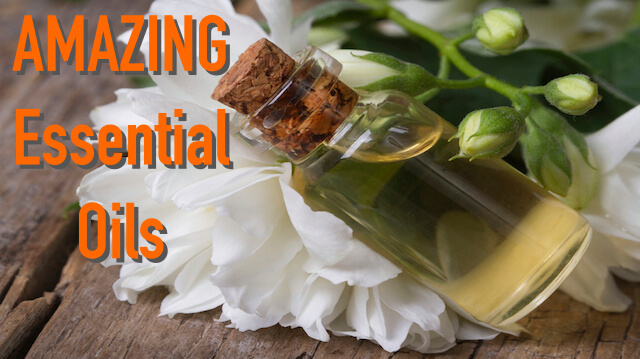
Amazing Essential Oils for Chronic Pain Relief

Life is full of aches and pains — some minor, some major. After a long day, many people find themselves reaching into the medicine cabinet for some aspirin to soothe the daily stress headaches, joint pains and muscle aches that come with simply being human.
Sufferers of chronic pain may reach for stronger medications, and those of us who are highly anxious may choose sleeping pills just to wind down. However, these types of drugs are not innocuous, and often come with dangerous side effects that accumulate the more we take them. Luckily, nature has a solution.
One of the most invigorating and enjoyable natural ways to manage everyday aches and pains — and even serious, chronic pain — is the application of essential oils. Essential oils are potent and highly concentrated oils of plants, which many of our modern medicines are actually derived from — without the added chemical content.
Avoid:  5 memory-killing foods to NEVER eat
Depending on the type of pain and the type of oil, they can be applied directly to pressure points, used in massage combined with a base oil, or taken internally mixed with water. Be sure to read the application and ingestion methods of the oils that you choose, as some are too potent to be applied directly to certain areas.

It’s important to buy essential oils from a company that you trust and have investigated thoroughly. There is a great disparity in the purity and efficacy of low-quality oils versus those that are skillfully and meticulously grown, harvested and distilled. The following oils are some of the best in dealing with pain.
Wintergreen: The wintergreen plant is the only plant in the world besides the birch tree that contains natural methyl salicylate, the main ingredient in aspirin. It was commonly used by Native Americans as a general pain tonic.
Research proves that wintergreen oil has a cortisone-like effect and is able to relieve pain quickly. It has anti-inflammatory, analgesic, and antispasmodic properties, and therefore is often effective against headaches, muscle pain, and stiff joints — anything you would use aspirin for!
It’s important to note that wintergreen is one of the strongest essential oils and should never be consumed. It is also unsafe for children and those with a history of epilepsy.
Spruce: The essential oil of the spruce tree is aromatic, sweet and refreshing, and has been hailed since ancient times for its ability to relax the body and center the mind, as well as to ward off infections.
It is a potent immune system stimulator, and has been successfully used to ease arthritis symptoms, rheumatism, lower back pain, bone pain and sciatica. Spruce essential oil can also stimulate the adrenal glands, which offers a boost to the entire body.
Lavender: One of the top favorites of essential oil enthusiasts for relaxation and pain relief, lavender is also one of the gentlest essential oils on the skin. It is traditionally used to treat headaches, tension, insomnia, muscle strain and various cramps.
One study found that lavender essential oil used as part of an acupressure treatment helped reduce lower back pain by 39 percent. Walking speed and spine flexion in the back pain sufferers were also improved by this treatment.
Lavender also aids the digestive system, therefore relieving many types of stomach discomfort, and has antiseptic properties that naturally help wounds heal. On top of that, this delicious-smelling oil can help to relieve the mental distress caused by mood swings, anxiety and depression.
This effect has been demonstrated by studies to be beneficial for women in labor — by helping to alleviate pain that stems from anxiety and fear. Cancer hospice patients have also shown improvements in depression and a sense of well-being following treatment with lavender essential oil.
Marjoram: Known as the “happiness herb” and the “joy of the mountains,” marjoram has strong sedative properties. The essential oil extracted from marjoram is excellent in treating stiffness, muscle spasms, migraines, and arthritis pain. It also effectively relaxes involuntary muscle groups, including the heart, diaphragm and colon. As a result, it can be used to help with asthma, bronchitis and constipation, along with supporting heart health. Marjoram is also used to aid sufferers of emotional trauma and distress.
Sandalwood: A staple in Ayurvedic medicine, sandalwood essential oil is often used to treat muscle spasms, lymph node congestion and sciatica. It is effective in relieving skin irritations such as poison ivy and insect bites due to its anti-inflammatory nature.
This oil is very refreshing to the skin, smells rich and earthy, and promotes deeper sleep and calm, and meditative states of mind. Furthermore, it supports both the digestive and cardiovascular systems. Sandalwood oil is sometimes combined with a base oil and applied to the bottoms of the feet.
Ginger: Ginger is also commonly used in Ayurvedic medicine. It has been shown to inhibit the synthesis of eicosanoids, which are chemical signalers involved in the sensation of pain.
A study was conducted among elderly people with chronic knee pain. It was found that four weeks of massage with a combination of ginger and orange essential oils helped decrease the intensity of pain and stiffness level, and improved physical function compared to another group who received massage with just olive oil.
Another study found that 75 percent of the patients with rheumatoid and osteoarthritis benefited from treatment with ginger oil, experiencing lessened swelling and pain. None experienced adverse side effects, even when treatment was continued for longer than two years.
Fennel: Fennel essential oil is produced by crushing the seeds, then distilling them with steam. Studies in animals have shown that fennel essential oil can help with discomfort associated with menstruation. Traditionally it is used for a relaxing effect on nerves, muscles, intestines and the respiratory system. It has an antispasmodic effect, which can relieve the source of many types of pain.
Clove: The essential oil extracted from the dried flower buds of clove has anti-inflammatory and anaesthetic properties. It is frequently used for tooth pain and can also help with throat infections. It is often added to pharmaceutical and dental products.
Clove oil is said to have stimulating and warming properties, so it can be used to improve circulation and stimulate the metabolism. This can indirectly benefit any source of pain in the body. Be sure to buy essential oil that is made from the buds, not the stems or leaves. The inferior stem or leaf oil can cause skin irritation.
You can use clove oil in many ways, including diluting with a carrier oil and then massaging on the abdomen, chest, or any part of the body afflicted with pain. A few drops on a cotton ball helps relieve tooth discomfort. A few drops used in a bath can help with bowel problems.
essential oil

Copaiba: Copaiba essential oil is made from the sap of the copaiba tree. It has been used by indigenous groups in South America for its soothing and relaxing properties. It works by helping modulate the body’s natural response to irritation via the chemical constituents beta-caryophyllene and alpha-humulene.
Beta-caryophyllene is also contained in clove and rosemary essential oils, and has been shown by studies to be effective at alleviating pain. Humulene also has anti-inflammatory properties. The ability to decrease inflammation will help with any type of pain.
In general essential oils can be used in the following ways, although always research or do a small test to ensure you don’t have a reaction to the particular oil you want to use. Everyone’s body works differently, and since essential oils are natural un-standardised substances, they can have different effects on different people.
  • Massage—Blend 10 drops of essential oil with one ounce of carrier oil, and use on any part of the body where you are suffering with pain. Keep in mind that “hot” oils such as clove or peppermint can bring strong sensations to the skin, so apply with care in sensitive areas.
  • Bath soak—Add two cups of Epsom salt along with 10–20 drops of essential oil to your bath. This is a wonderful treatment for digestive discomfort, muscle pain and joint stiffness.
  • Compress—Depending on the type of pain, you can use a hot or cold compress.  A headache, for example, might benefit from a cold compress. Simply wrap an ice pack in a towel, which has been soaked with cold water and wrung out. Apply five to 10 drops of essential oils to this pack and apply to the forehead or neck. Similarly, a hot compress can be used for pain such as swollen joints or injured muscles. These compresses can be used for 15 to 20 minutes at a time.
The above-mentioned oils do not even begin to scratch the surface of the wide array of essential oils available to combat various types of pain. Whatever pain life throws your way, look to nature, it just might have an antidote.
http://www.thealternativedaily.com/5-amazing-essential-oils-for-chronic-pain-relief/?

Sunday, 16 August 2015

4 Exercises For Sciatica Pain Relief

Sciatica is more than just a literal pain in the butt (and back and legs). When it strikes, it can cause misery and debilitating pain, instantly putting a damper on your life. 
The sciatic nerve runs right through the piriformis, a tiny but powerful muscle deep in your glutes that helps laterally rotate your hips. If it gets too tight, it can impinge the sciatic nerve that runs through or under it, causing tremendous pain, tingling and numbness in your lower extremities. 
If you find yourself the victim of sciatica (especially if it's caused by a sedentary lifestyle), try these for stretches to help relieve the pain:
1. Piriformis Stretch


Laying on your back, place both feet flat on the floor with knees bent. Rest your right ankle over the left knee and pull the left thigh toward your chest. 
Hold stretch for 30 seconds. Repeat on the other side. 
Remember to keep the top foot flexed to protect your knee.
2. Seated Hip Stretch 


While in a seated position, cross your right leg over your straightened left leg. 
Hug your right knee with your left arm, making sure to keep your back straight. 
Hold this stretch for 30-60 seconds, and then repeat on the opposite side. 
3. Pigeon Pose


Start in Downward-Facing Dog pose with your feet together. 
Draw your right knee forward and turn it out to the right so your right leg is bent and your left leg is extended straight behind you. Slowly lower both legs. 
Hold the position for five to ten breaths, then switch to the other side. 
4. Self-Trigger Point Therapy


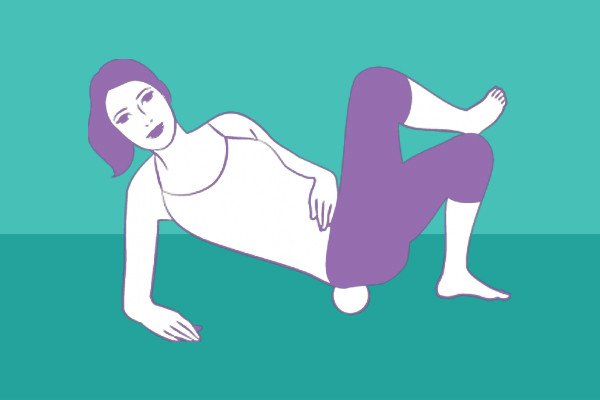
Performing self trigger-point therapy using a lacrosse or tennis ball can be very effective at delivering sciatica pain relief. 
All you have to do is find a painful spot in the glutes, place the ball at that location and then relax your body into the ball. 
Hold this position for 30-60 seconds or until you notice a significant reduction in pain. Move to the next painful spot. The total time spent on this exercise should be between 5-10 minutes. 
Practicing these four exercises once or twice a day can definitely bring you much needed sciatica pain relief.
http://www.mindbodygreen.com/0-18298/4-exercises-for-sciatica-pain-relief.html

Friday, 14 August 2015

5 Powerful Steps To Calming Your Anxiety


There’s usually something that makes us anxious. No matter how strong your confidence in certain arenas, there may be other areas that totally freak you out. While I can feel at ease in the midst of a medical crisis, I completely panic when swimming in deep water — even if I can see the bottom. That anxiety began after I saw the movie "Jaws." I’m serious. 
But fear can also play a very useful role in our lives. Anxiety can help teach us to focus and meet a deadline. It can also motivate us to prioritize going to the doctor to get checked out. That’s a healthy relationship with anxiety. 
However, when anxious thought patterns become the norm, it can bring on everything from mild physical discomfort to heart palpitations, shortness of breath, and even the dizziness of a full-blown panic attack. I’ve worked through bouts of unhealthy anxiety with myself, my family and hundreds of patients, to help resolve their physical symptoms through means of self-expression.
If you suffer from any form of anxiety, here are five quick, yet powerful steps to help you break free from this stressful pattern: 
1. Get present. 
When you notice you’re having worrisome thoughts about the future (Hint: Those thoughts usually start with "what if ..."), a quick way to interrupt that pattern is to focus on your body. 
First, identify the unique physical signals your body is sending you (tense muscles, throat constriction, heart racing, trembling hands, etc.). Then pause by taking a few slow, deep breaths (relax your abdomen and become aware of the expansion and contraction of your ribcage). 
Next, focus on the present moment (become aware of where you’re sitting or standing, and what physical sensations you’re feeling, etc.) and only what is occurring right now. 
It might sound simple, but when you’re present in your body, you’re focused on the here-and-now. That way, you can’t be trapped in an endless loop of anxiety about the future.
2. Name that fear.
The monster under your bed loses its power when you turn on the light and all you find is an extended family of dust bunnies. Begin by naming your fears about the person, place, or situation you’re confronting. Then write down the phrase: “What I’m afraid of is ... ” and finish the sentence as many times as you need to. Keep writing until there are no new thoughts. 
3. Expand your perspective.
You’re a pro at future-thinking. There’s one small problem: you can't control the future. So just as your did with your body, it’s time to get your thoughts back into the present moment.
Go back to your list of fears and after each one, write the following statement: “Right here, right now, what I know for sure is that ... ” Then end each statement with the facts you know about the present moment — not the what-if scenarios that are running in your head. 
(Reminder: Facts are information you observe outside your body through your five senses — what you hear, see, taste, touch or smell. Facts also include the physical signals you’re receiving from inside your body.) 
4. Reprogram your thinking.
Can you believe how long it takes just to get into the present moment? But now that you've arrived, you can access the creative part of your brain to build new patterns of thinking. I suggest creating affirmations —“I am” statements, followed by what you value — that replace fearful thoughts. This will rewire your brain to engage in expanded thinking whenever future-thinking anxiety strikes.
When I worked with a woman whose dear friend was sick, her repetitive thought pattern went like this: What if I get sick too? What if I can’t do the things I love? To help her create an affirmation, I asked her what she valued most and what was true today. She came up with: “I am whole, healthy and well.” 
5. Trust yourself.
Ask yourself one simple question: What would self-trust and courage do now? Listen to the answer and allow it to guide you. (And in case you were wondering, there are no wrong answers.)
If you want to change your relationship to anxiety, allow it to move through you and use it as an opportunity to get present in your body —how about trying right now? The more courageous you are about facing your fears head-on, the more self-trust you’ll build in the long run.
http://www.mindbodygreen.com/0-18338/5-powerful-steps-to-calming-your-anxiety.html

Wednesday, 12 August 2015

How To Deal When A Relationship Turns Poisonous


When it starts to be a recurring theme in a relationship, it becomes a source of emotional poison. 
Mistakes and poor choices are bound to happen in every relationship. This is life, after all. But when someone continually refuses to take accountability for her actions, it can be devastating. When that apology never comes, it’s a good sign that it’s time for you to find a way to get of the emotional poison in your life. 
You see, we cannot make other people change, but we can always inspire others to choose change for themselves. 
This begins with us. Deep inside of us, we hold the power to relinquish emotional poison from our lives. What’s most incredible is that we can do this without shutting down and closing our heart to the world. 
So when a relationship turns poisonous, we must channel our energy back to ourselves and follow these five steps: 
1. Don't be afraid to feel the emotions.
I’ve felt my heart break over yet another disappointment. While this can be extremely painful, we can't turn away from experiencing our emotions. The trick is to set some space aside to do just that while working through the pain rather than letting it take over. Allow yourself to feel whatever comes up and then move on. 
Solace comes in many transformative forms such as writing, listening to music, painting, or even just plain crying. Never be afraid to feel — it’s an essential part of being alive. 
2. Refuse to eat emotional poison
I discovered this powerful sentence on one of my cards from Don Miguel Ruiz’s “The Four Agreements” deck. It suggests that we have the ability to stand strong and protect ourselves from poisonous energy. 
This can be done instantly by silently repeating an empowering mantra. One of my favorites is: "Negative energy simply passes through me while I remain happy and optimistic." 
3. Distance yourself from the poison.
Sometimes you can’t just fully cut somebody out of your life. Thankfully, distance is always an option. Spend less of your energy on the poisonous relationship and more of it on doing activities for yourself that you enjoy. 
Yes, this means embracing more solo time and treating yourself to plenty of TLC. Bubble baths, long walks, and meditation are easy and affordable places to start. 
4. Honor those who are there for you
Too often we focus on the negative instead of appreciating the abundance of good in our lives. No matter how bad things get, you're sure to have at least one or two amazing people who are beyond good to you. 
Do not underestimate the difference that one person can make in your life. Give yourself fully to these people and work on strengthening these relationships. Send them a thank you card, treat them to lunch and give them lots of hugs. 
5. Stay kind.
Admittedly, I’ve had to resist the urge to put people in their place. I’ve realised that that’s not the mark I want to leave on this world. Chances are it’s nothing personal anyway. The people who continually let you down are often stuck in a state of fighting their own emotional poison.

As one of my best friends has taught me, kindness changes everything. Though it might not always be easy to be kind within the difficult relationship, you can begin by extending your kindness to strangers. Hold the door for the person behind you, buy someone a coffee and pay people compliments. As you practice kindness, it will become a piece of who you are.
http://www.mindbodygreen.com/0-18408/how-to-deal-when-a-relationship-turns-poisonous.html

Monday, 10 August 2015

Why I Quit My Job After I Tried Ayahuasca In Peru


Many people think they are happy, but they aren’t always fulfilled. At 26, I was precisely this: a successful advertising executive who was in search of greater meaning. And so, I travelled to Peru in hopes of finding clarity and purpose.
In December 2013, alongside two of my best friends, I arrived in Iquitos, Peru, before venturing into the jungle with wonderful guides and people who would become lifelong friends. We explored the Amazon River and rainforest, encountering snakes, spiders, pink dolphins and monkeys. 
We played soccer with locals on an unkempt field. We boated under starry night skies in search of caiman alligators and were soaked by torrential downpours that flooded our rubber boots. Each night, we slept in a rustic lodge, and each morning, we were woken by the symphony of the rainforest. 
After a week of connecting with the jungle, I felt more at peace than ever before. And then, on New Year’s Eve, we arrived to the grounds of a small healing retreat center nestled deep in the rainforest, where we would partake in three Ayahuasca ceremonies over the course of the next four days. 
For those unfamiliar, Ayahuasca, often referred to as "Mother Ayahuasca", is a psychedelic and medicinal beverage brewed from the Banisteriopsis caapi vine and, in my case, chacruna leaves containing dimethyltryptamine (aka DMT). 
Amazonian Peruvians have been using the brew for centuries, for its divinatory and healing properties. With the brew’s ability to provide clarity about life and our universe to its drinkers, many Westerners have called it, “30 years worth of psychotherapy in a night.” 
According to shamans, plants have a double function: they can be used medicinally to treat various illnesses, or as "plant teachers." Ayahuasca is said to have a female spirit, and a specific diet of avoiding all salt, spices, red meat, pork, alcohol, drugs and sex should be practiced for 1-2 weeks leading up to ceremony. 
While I was skeptical of a plant having a female spirit and of the need to modify my diet, I remained open-minded enough to respect the folklore and practice the customs. To my surprise, Ayahuasca is the most intelligent entity I’ve ever interacted with, and my experiences with her were profound. 
As strange as it might seem, I traveled to different dimensions and engaged with beings that reside there. 
With each ceremony, I had an intention. During the first ceremony, I aimed to clarify my business path. Beyond working at my ad agency, I was the co-founder of a startup that was stuck at a standstill. Was this a fear I needed to overcome, or an intuition that the startup wasn’t right for me? 
Ayahuasca introduced me to realms I was previously unaware of, and taught me that I needed to let go of the business I helped start. She showed me that I needed to act on my lifelong desire to write a book, which I've now completed. It takes you through my Ayahuasca experience in full detail. 
With my ego questioning whether the decision to let go of the startup and focus on writing was of sound financial mind, I entered the second ceremony intending to rid my doubt and solidify my path. In return, the Ayahuasca took me down a long and difficult road that tested my patience and involved a great deal of purging. For those unfamiliar with this literal term, it meant I also needed a purge bucket. 
The bulk of the six-hour experience was dark and exhausting, but after learning that I need to follow my passions, a sun began beaming light through thick trees just as I dozed off to sleep. 
On the final night, my intention was one of expressing gratitude to the Ayahuasca, the shamans, my friends, and the universe as a whole. In exchange, I tapped into cosmic wisdom and saw the interconnectedness and love in all things. Ayahuasca deepened my bond with nature, purged my fears and connected me with a higher power. 
I left Peru with an undeniable clarity, peace and the resolve to pursue my passions. I internalized the notion that nothing is impossible, that reality is malleable, and that I should work to make the biggest positive impact on our world that I possibly can. Beyond the book, I’ve become a partner in a renewable energy startup whose mission is to evolve humanity onto clean energy and heal our planet — something I couldn’t be more excited about. 
Now, I’m not suggesting that everyone visit the jungle to drink Ayahuasca. The medicine isn’t for everybody, and each person’s path is different. What I am suggesting is that if you allow yourself to know and follow your passions, you will improve our world and be well on your way to enlightenment.
http://www.mindbodygreen.com/0-18202/why-i-quit-my-job-after-i-tried-ayahuasca-in-peru.html

Saturday, 8 August 2015

When Too Much Fruit Is A Bad Thing


Fructose hasn’t earned a good reputation lately. Recent studies tie this sugar with inflammation, Type 2 diabetes and other metabolic syndrome symptoms. Among its detrimental health problems, fructose potentially increases pancreatic cancer, damages your liver and speeds up the aging process. 
Most people associate fructose with high-fructose corn syrup (HFCS), which as its name implies, contains about 55% fructose and 45% glucose. This ubiquitous, higher-fructose sugar sweetens soft drinks, cereals and other high-sugar impact processed foods and drinks. 
HFCS’s problems have been well documented, but fructose also naturally occurs in fruit and fruit is supposed to be good for you ... right? Could eating excessive amounts create that same fructose overload we associate with its non-naturally occurring cousin? 
That’s a controversial question. 
It's been suggested that some experts might be making much ado about nothing when they argue excessive fruit could become problematic. And while no one argues you should completely eliminate fruit from your diet — it offers nutrients, antioxidants and fiber — the idea that eating an unlimited amount of fruit because it's "healthy" needs to become permanently buried. 
Instead of classifying fruit as an unlimited “free” food like leafy and cruciferous veggies (eat all of those you want!), fruit should be down-regulated to a nutrient-dense, dose-dependent food. 
In other words, a cup of organic blueberries in your protein shake is perfectly healthy. Gorging on red grapes during a two-hour meeting, not so much, especially if you’re trying to lose weight, protect your liver or boost your overall health. Your best bet for those benefits is to opt for low-sugar impact fruits like avocado and berries. 
For many of my clients, I ask that they completely eliminate all fruit for two weeks to drastically reduces the liver’s fructose burden. The only fruits allowed are lemons, limes, avocados, tomatoes and olives. Many clients see their symptoms start to disappear during that time: no more fatigue, achy joints, dull skin, gastric distress or inflammation. 
Best of all, they usually break through that brick wall of weight-loss resistance because they've dramatically lowered the amount of sugar (especially fructose) eaten for those two weeks, allowing your system and taste buds to reboot. 
When I say fruit, I mean fresh fruit. Dried fruit might be tidy and bite-size, and you don’t need napkins or to eat it over the sink. But when food companies remove the water, they condense the sugar, and often add other things like sulfur dioxide to preserve color or syrup to make it sweeter, making it flat-out candy. Even organic, nothing-added dried fruit has the same amount of sugar and calories as its waterlogged counterpart, but the pieces are much smaller, guaranteeing you'll eat more (and get more sugar) than you would with whole fruit. 
Bottom line: Keep your fruit, but make low-sugar impact choices and treat them as dose-dependent rather than unlimited foods. Too much fruit isn’t always a good thing.
http://www.mindbodygreen.com/0-18488/when-too-much-fruit-is-a-bad-thing.html

Thursday, 6 August 2015

6 Ways To Manage Pain Without Having To Suffer


The words “pain and suffering” tend to be inextricably tethered, like Siamese twins. It seems unfathomable that one could exist without the other. But many spiritual teachers will tell us that much of our suffering is self-created in the mind. 
In terms of mental pain — when the monkey mind replays hurtful scenarios or negative thoughts — gratuitous suffering is often created. But what about actual physical pain, or pain that is caused by external events and inflicted on us by others? Is it possible for those experiences to ever be free of suffering? 
In the past two years, I’ve undergone two abdominal surgeries that were supposed to be curative, but ended up leading to additional complications and illness. Having my belly cut open multiple times left me feeling as if everything contained within me could come tumbling out at any moment. 
I felt as if I’d committed seppuku — the ancient act by the Samurai of self-disembowelment — and survived. The pain and suffering I experienced was so great that I had many wondrous pity parties during my recovery. As I lay in my bed clutching a pillow to my belly to help brace my body and minimize the pain, I found myself angry that the sages would say that this suffering was self-created in my mind. 
Since then, I've spent a lot of time pondering whether pain and suffering can truly be separate. If so, what part of my experiences in those circumstances and in my life constitutes the pain, and what is the suffering? 
I recalled that when I felt pain in my abdomen from even the slightest movement, I suffered. But when my best friend came to visit and was cracking me up, the pain caused by too much laughter somehow did not evoke suffering. When I was alone on a walking path only able to shuffle at a sloth’s pace, I suffered. But when a loved one was at my side offering an arm for support, the same physical pain from walking did not evoke suffering. 
These incidents and many more that I’ve observed since my surgeries have taught me there are indeed ways to breathe space in between pain and suffering. When that space is cultivated to a greater expanse, suffering may not remain as long or may never arise at all.
Here are six practices that have helped me to manage my suffering a little bit better: 
1. Take a few moments in stillness.
When pain arises, take a few moments to just sit and be quiet, so as not to add a judgment or story to that pain. Usually suffering is seeded in thoughts of how the pain shouldn’t be, or ruminating about how much we want to escape from the pain. Accepting the presence of pain is the first step to being free of the suffering that may be associated with it. 
2. Breathe into the pain. 
Breathing into the pain will allow you to explore how it feels it in your body. Emotional or mental pain can manifest in physical places such as the chest, the solar plexus, or the throat. Try inhaling love, light and healing to that area, and then exhale out the pain. The movement and sense of empowerment will allow you to untangle from feelings of suffering. 
3. Ask if the pain is trying to tell you something. 
If your feelings are hurt by a cruel comment, is the person who inflicted the pain someone you want to continue to be associated with? If the quinoa or kale you just ate upsets your stomach, is the food lauded as healthy something that might not actually be good for you? Do you need to take a break from sitting at your computer if your back hurts? 
This exercise allows you to take action or make some informed decisions, so that the pain doesn’t lead to more suffering. 
4. Think of pain as an opportunity to heal from the inside out.
When you find yourself in a state of suffering ask yourself: What is the gift or opportunity? Does it remind you to have compassion the next time you run into someone going through similar circumstances? Does it trigger a memory of a similar past event that you now have the opportunity to heal from? 
Oftentimes, understanding the meaning behind our suffering opens the pathway to releasing or transmuting it. 
5. Ask if the suffering is feeding your ego.
If the suffering feels very sticky, ask if there may be any unhealthy “benefits” to that suffering. Is it feeding your "pain-body" meaning, do you get attention and sympathy from others by perpetuating that suffering? Or is it an excuse to not let go of things that no longer serve you? Think about it.
6. Reach out to others for support.
Lastly and perhaps most importantly, if you can’t get out of suffering on your own, have you reached out for support? Receiving help, perspective and compassion from others is a strong antidote, by allowing us not to have to carry the burden of our suffering alone. 
It is my hope that sharing the things that have worked for me will help you to experience pain differently, without always having to suffer from it. 
http://www.mindbodygreen.com/0-18539/6-ways-to-manage-pain-without-having-to-suffer.html